
Preparing for a U.S. visa interview can feel intimidating, especially if it is your first time. However, with the right preparation, you can approach the interview with confidence and significantly improve your chances of approval. The visa interview is not designed to trick you; rather, it is an opportunity for the consular officer to verify your intentions, assess your eligibility, and confirm the information in your application.
This guide will walk you through the essential steps to help you prepare effectively for your U.S. visa interview.
Understand the Purpose of the Interview
The primary goal of the visa interview is to determine whether you qualify for the visa you are applying for. The consular officer will assess:
- Your purpose of travel
- Your financial ability to support your trip
- Your ties to your home country
- Your intention to return after your visit
- The accuracy of the information provided in your application
Understanding these key factors will help you prepare focused and relevant answers.
“Success is where preparation and opportunity meet.”
Bobby Unser
Review Your DS-160 Application
Review Your DS-160 Application
Essential documents typically include:
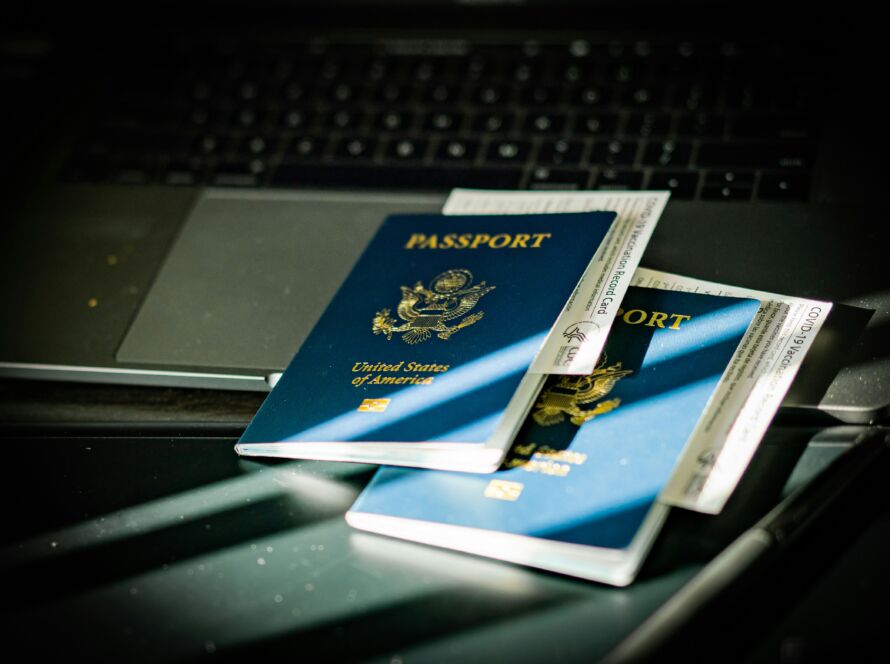
- Valid passport
- DS-160 confirmation page
- Visa appointment confirmation letter
- Visa fee payment receipt
- Recent passport-sized photograph
- Supporting financial documents
- Employment or business documents
- Academic records (for student visas)
- Invitation letter, if applicable
- Travel itinerary and accommodation details
Keep both original documents and photocopies neatly arranged in a folder.
Practice Common Interview Questions
While every interview is different, there are several common questions you should be prepared to answer confidently.
Examples include:
- Why do you want to visit the United States?
- How long do you plan to stay?
- Who will pay for your trip?
- What do you do for a living?
- Do you have family or friends in the U.S.?
- Why will you return to your home country?
Answer honestly, clearly, and concisely. Avoid memorized or overly rehearsed responses.